
Some electrical faults can wait for a planned visit. Others need prompt attention because they may point to overheating, damaged wiring, water ingress or a faulty consumer unit.
If you are searching for a 24 hour electrician near me, the safest next step is usually to stop using the affected area and arrange a professional callout. This guide explains the warning signs to take seriously and what to do before help arrives.
Faults that should be treated as urgent
An urgent electrical fault is any issue that could cause electric shock, fire, further damage or loss of essential power. You do not need to diagnose the exact cause yourself. The key is recognising when the situation is not safe to keep testing or resetting.
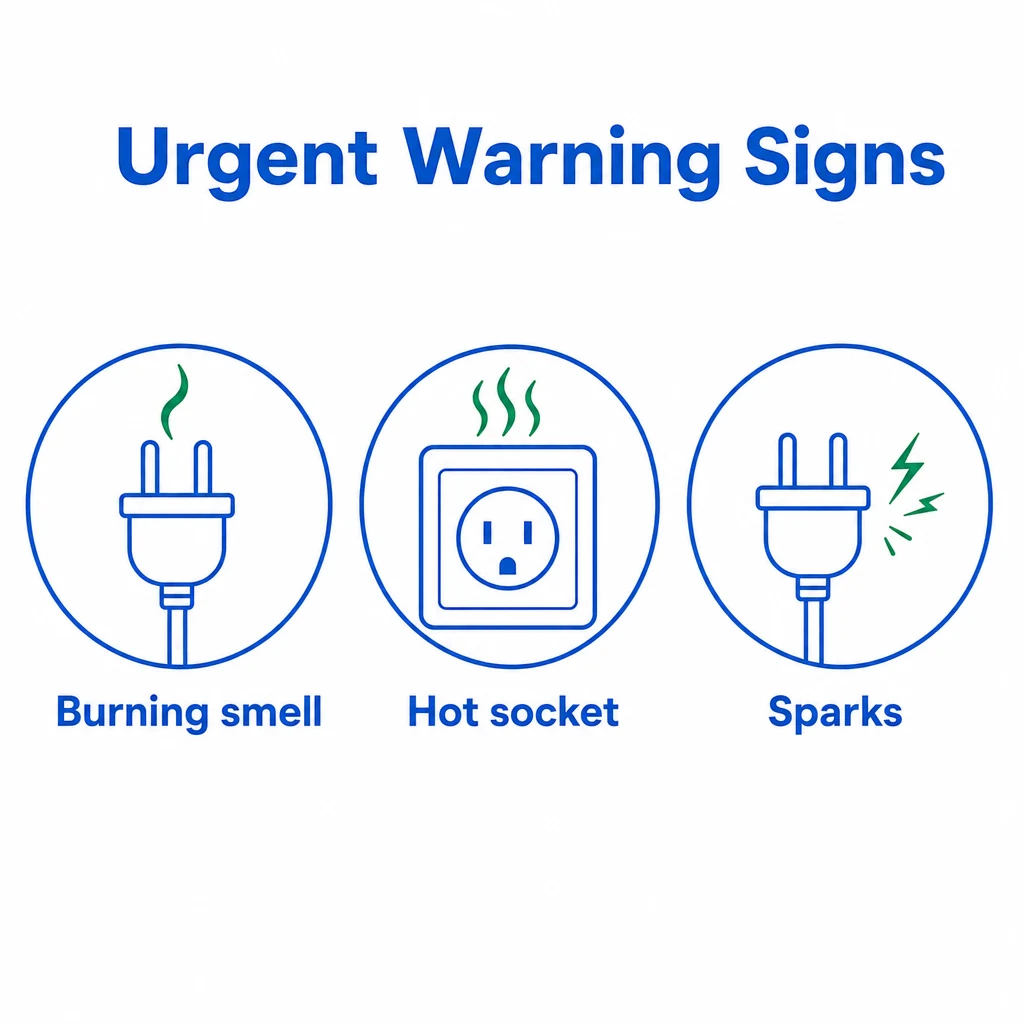
- Burning smells from sockets, switches, light fittings or the consumer unit.
- Sparking or arcing when plugging in an appliance or switching lights on.
- Visible scorch marks, melted plastic or discolouration around electrical fittings.
- Repeated tripping of an RCD, breaker or fuse after resetting.
- Electric shocks or tingles from appliances, taps, switches or metal fixtures.
- Water near electrics, especially after a leak, overflow or damaged seal.
In these situations, do not keep using the circuit to see if the fault clears. A professional emergency callout can assess the fault safely, isolate the problem and advise on the correct repair.
Burning smells, heat and sparking
A warm plug can sometimes be caused by high demand from an appliance, but hot sockets, crackling sounds or a fishy burning smell should be treated seriously. These signs can indicate loose connections, overloaded accessories, damaged cabling or failing components inside the fitting.
If you notice heat or sparks, switch off the appliance or circuit only if it is safe to do so. Do not touch damaged plastic, exposed wiring or any fitting that appears wet. Avoid plugging other items into the same socket, even if it looks normal after cooling down.
A 24 hour electrician can check whether the fault is limited to one accessory or part of a wider circuit issue. This is important because a visible mark on the front of a socket may be only the first sign of heat damage behind it.
Trips, outages and consumer unit problems
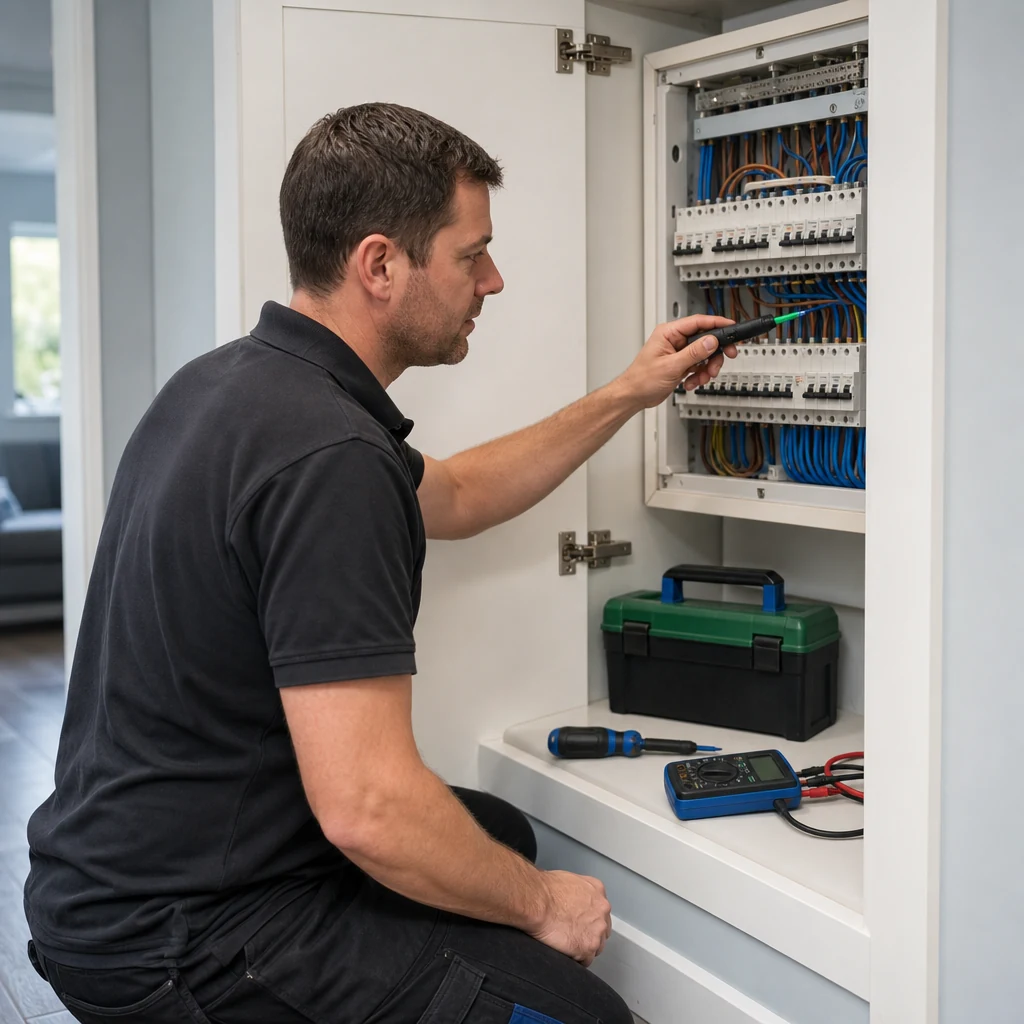
Modern consumer units are designed to cut power when they detect a fault. A one-off trip can happen, but repeated tripping means something needs investigating. Common causes include damaged appliance leads, moisture in an outside fitting, overloaded circuits, faulty lighting or a cable issue.
If power keeps tripping, unplug non-essential appliances and note what was in use when the fault happened. If the breaker or RCD will not reset, or it trips immediately, avoid forcing it. Repeated resetting can make diagnosis harder and may put extra stress on the fault.
Partial power loss can also need a prompt callout, especially if it affects heating controls, refrigeration, security, medical equipment or essential lighting. A professional can test the affected circuit, identify whether the issue is internal or supply-related, and restore safe operation where possible.
Water, bathrooms and wet areas
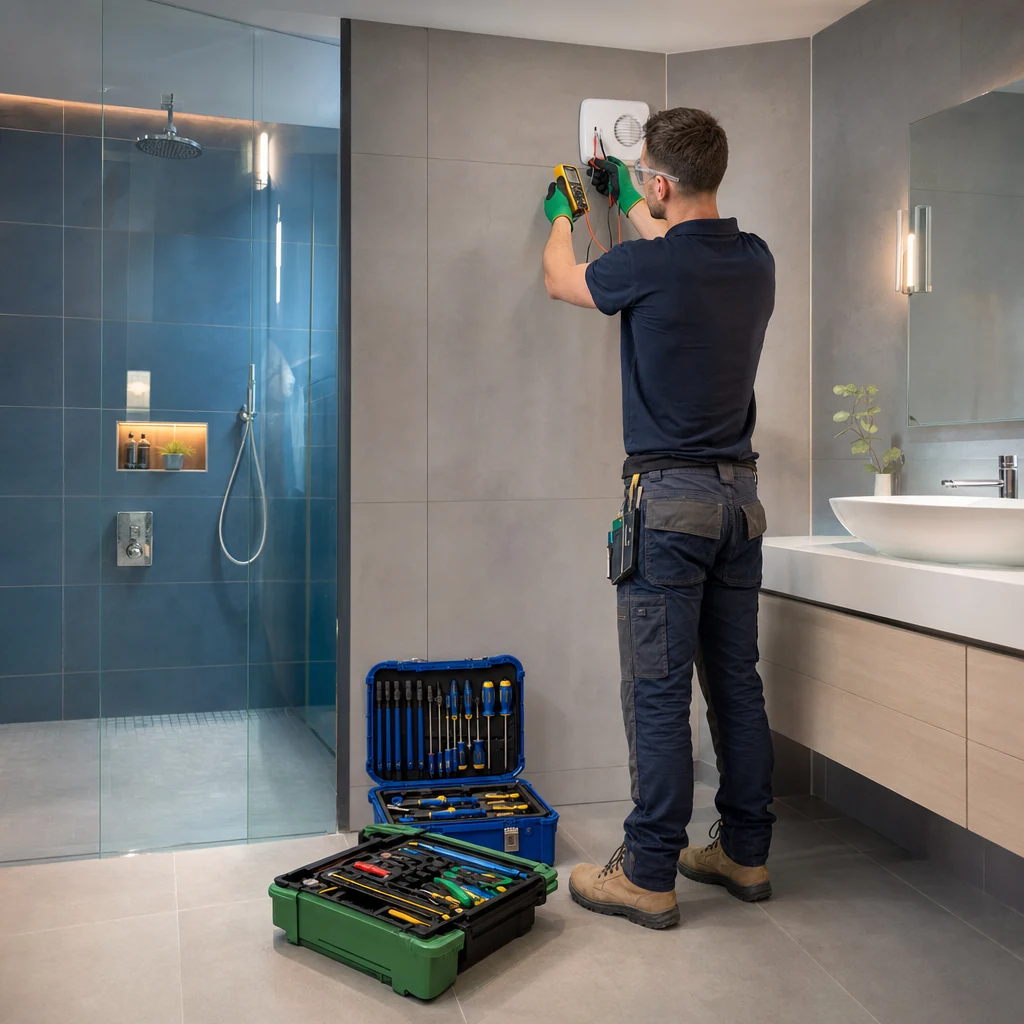
Water and electricity are a high-risk combination. Leaks from pipework, showers, basins, baths or ceiling voids can reach light fittings, extractor fans, underfloor heating controls, shaver points, smart controls and sockets in nearby rooms.
If water has entered an electrical fitting, do not turn it on to check whether it still works. Keep people away from the area, avoid standing in water, and isolate the circuit if you can do so safely. A professional should inspect and test the installation before it is used again.
This is especially relevant during or after bathroom renovation work, where plumbing, tiling, ventilation and electrics all need to work together. Planned upgrades can reduce future risk, but urgent leaks or damp around fittings should always be dealt with before the space is put back into normal use.
Smart controls and hidden electrical faults
Smart home systems add convenience, but they still rely on safe wiring, correct installation and reliable power. Faulty smart switches, automation hubs, lighting controls, sensors or heating controls can sometimes reveal an underlying electrical issue rather than a simple device fault.
Call a professional if smart controls flicker, smell hot, repeatedly drop power, trip the circuit or behave unpredictably after a leak or renovation. Do not bypass safety devices or attempt to modify wiring behind smart switches unless you are competent to do so.
If you are planning upgrades, smart home automation works best when electrical safety is considered from the start. For inspiration on tidy, practical installations, you can also view recent work and see how modern finishes and functional systems can sit comfortably together.
What to do before the electrician arrives
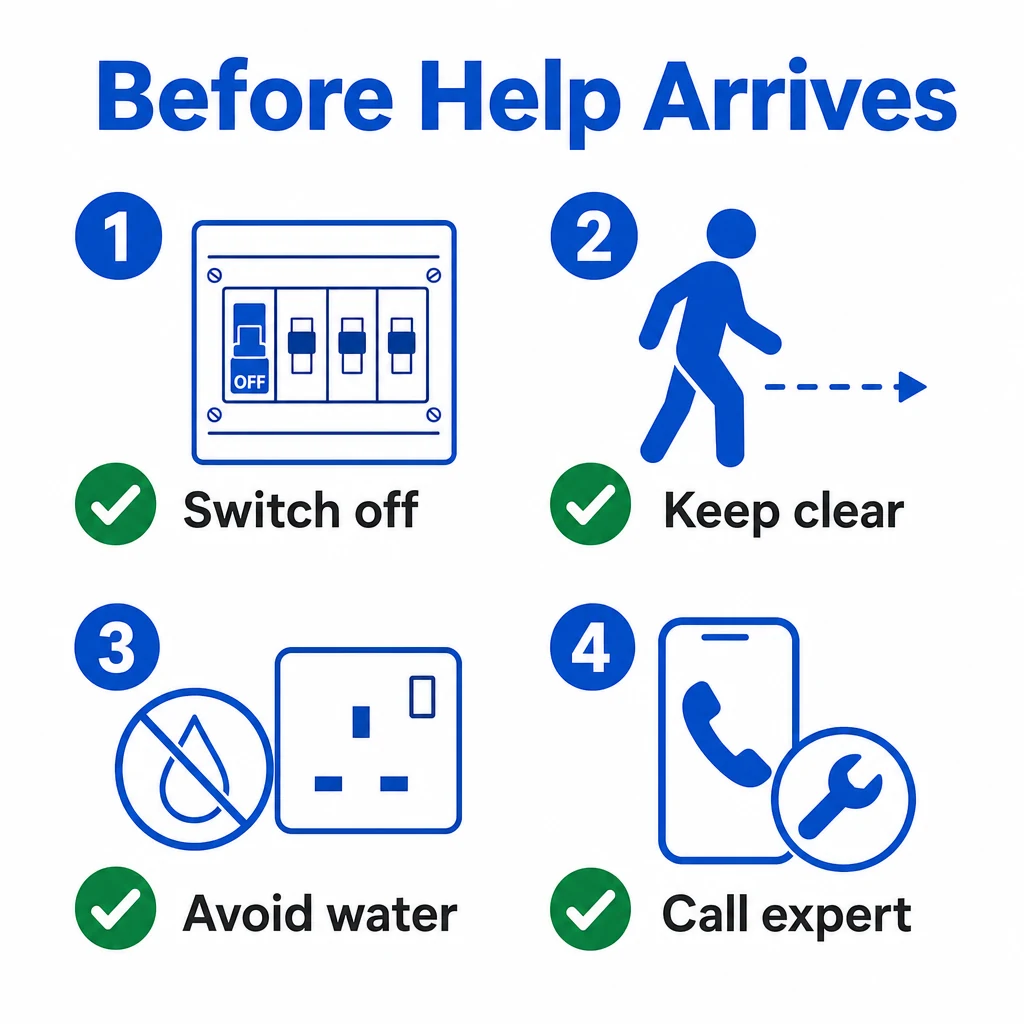
Your priority is to keep everyone safe. If there is smoke, fire or immediate danger, follow emergency safety advice first. For electrical faults where a callout is needed, take calm, practical steps while you wait.
- Stop using the affected socket, switch, appliance or area.
- Switch off the circuit at the consumer unit only if it is safe and dry.
- Keep children and pets away from the fault.
- Do not remove covers, expose wiring or reset breakers repeatedly.
- Make a note of smells, sounds, tripping patterns or recent work nearby.
Clear information helps the electrician investigate efficiently. They may test circuits, inspect fittings, isolate damaged parts and advise whether a repair, replacement or follow-up work is needed. The aim is simple: make the installation safe and give you clear next steps.
- Burning smells, sparks, scorch marks and electric shocks should be treated as urgent.
- Repeated tripping is a warning sign, not something to keep resetting.
- Water near lights, sockets or controls needs professional inspection before reuse.
- A 24 hour electrician can isolate the fault safely and advise on the right repair.
Frequently asked questions
Should I call an electrician if only one socket is affected?
Yes, if the socket is hot, sparking, cracked, buzzing, discoloured or smells of burning. A single damaged socket can still indicate heat damage or a loose connection behind the faceplate.
Is it safe to reset a tripped switch?
A single reset may be reasonable if there are no other warning signs. If it trips again, will not reset, or affects an essential circuit, stop resetting it and arrange a professional inspection.
What should I do if a leak reaches a light fitting?
Keep away from the area, do not use the light, and isolate the circuit if safe. The fitting and circuit should be checked before being switched on again.
When should I search for an emergency electrician near me?
Search for urgent help when there is shock risk, burning, sparking, repeated tripping, water near electrics, or loss of essential power. If in doubt, it is safer to ask for professional advice.
Need a safe electrical callout?
If something does not feel right, DWG Contractors can help you take the next safe step with a professional callout.