
Bathroom renovation advice
Plan the Bathroom Before You Pick the Tiles
A good bathroom renovation starts long before the first tile comes off the wall. The smartest projects are planned around how the room will be used every day: layout, storage, ventilation, lighting, plumbing, electrics, finishes and the order of work.
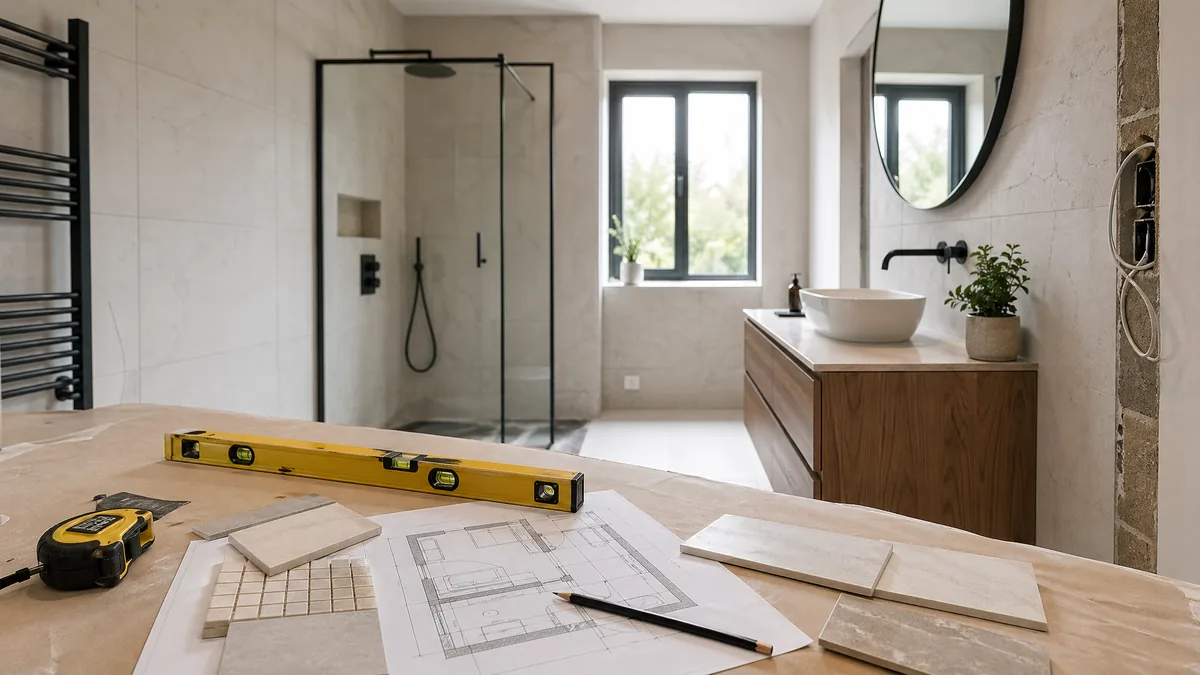
Bathrooms are small rooms with a lot happening inside them. A toilet, basin, bath or shower, heated towel rail, extraction, lighting, storage, pipework and electrical zones all need to work together in a space that is often used by more than one person every morning. That is why rushing straight into colours, taps and tiles can lead to awkward compromises later.
For homeowners planning a fitted bathroom renovation, this guide sets out the practical decisions to make before installation begins. It is designed to support the kind of full design, supply and installation process described on the DWG Contractors bathrooms service page, while helping you think clearly about the room before committing to products or dates.
Who uses the bathroom, when they use it, and what frustrates them now should guide the layout.
Moving plumbing, electrics or extraction can affect cost, sequence and what is realistically possible.
Finishes need to look good, but they also need to handle moisture, cleaning and regular use.
1. Work out what the current bathroom gets wrong
Before planning the new room, list the problems with the existing one. Is the shower too cramped? Is there nowhere to store towels? Does condensation linger after use? Are sockets, mirrors or lighting in the wrong place? Is the bath rarely used, or is it essential for children and family routines?
This step matters because the best layout is not always the most fashionable one. A walk-in shower, freestanding bath, floating vanity or concealed cistern can all work beautifully in the right space, but only if they solve the right problem. For example, replacing a bath with a shower may free up floor space, but it may not suit every household. Equally, keeping an old layout just because the pipework is already there can be a false economy if the room never functions properly.
If you are comparing local bathroom examples, DWG’s existing location pages for bathroom fitting in Leicester, Hinckley and Loughborough show the type of full renovation service the planning should lead into, without needing to make the blog itself a location landing page.
2. Measure the layout and check the practical constraints
Accurate measurements are the foundation of a realistic renovation plan. Record the wall lengths, ceiling height, window position, door swing, soil pipe location, existing radiator or towel rail, current extractor route, boxing, alcoves and any awkward slopes or nib walls. In older homes, it is also worth allowing for out-of-square walls and uneven floors, as these can affect tiling, shower screens and fitted furniture.
Once the room is measured, sketch the main fixture positions. You do not need a perfect technical drawing at this stage, but you should know whether the basin blocks the door, whether the shower screen can open, whether the toilet has comfortable clearance and whether storage can be reached without squeezing around another fitting.
Quick layout checks
- Can the door open safely without hitting the vanity, toilet or bath?
- Is there enough elbow room around the basin and toilet?
- Will the shower area feel comfortable once the screen and valve are fitted?
- Can pipework be boxed neatly without making the room feel smaller?
- Is extraction planned in a place that will actually clear steam?
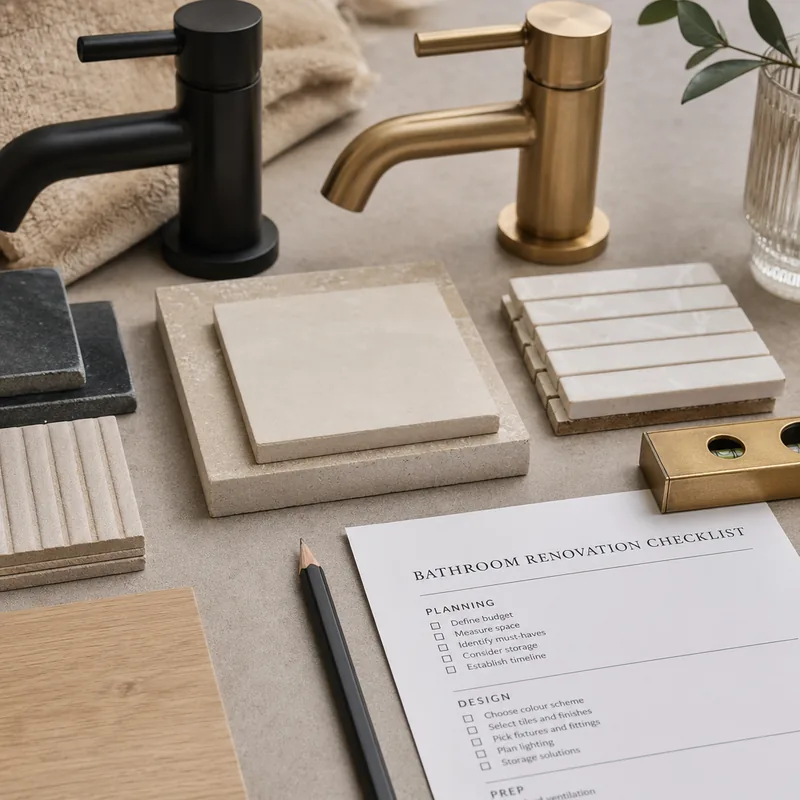
3. Decide the installation sequence before ordering finishes
Bathroom projects often involve more trades and more stages than homeowners expect. Strip-out, first-fix plumbing, first-fix electrics, plastering, waterproofing, tiling, second-fix fittings, sealing and final checks all need to happen in the right order. If the sequence is not planned, products can arrive too early, rooms can be left unusable for longer, or finished surfaces can be damaged while another stage catches up.
As a general rule, choose the layout and service requirements first, then select products that fit the plan. Large-format tiles, wall-hung furniture, concealed valves, niche shelves, underfloor heating and LED mirrors can all change the preparation needed behind the surface. Good planning avoids last-minute workarounds.
| Stage | What to confirm | Why it matters |
|---|---|---|
| Design | Fixture positions, storage, access and ventilation. | Prevents a good-looking room from becoming awkward to use. |
| Services | Pipe runs, waste, electrical points and extractor route. | Affects walls, floors, boxing and the installation order. |
| Finishes | Tile size, grout colour, brassware finish and furniture. | Keeps the look consistent and avoids clashing choices. |
| Handover | Sealing, ventilation, cleaning guidance and final checks. | Helps the bathroom stay practical after the fit is complete. |
4. Plan lighting, electrics and ventilation as part of the design
Bathrooms need more than a single ceiling light. Think about task lighting around the mirror, softer lighting for evening use and whether the shower or bath area needs better visibility. Heated mirrors, shaver points, extractor fans and smart controls should be discussed early because they affect wiring routes and safe positioning.
Electrical work in bathrooms has specific safety considerations, especially around zones and moisture. Rather than treating electrics as an afterthought, include them in the first design conversation. DWG also provides emergency electrical callout services, so the planning message should be clear: water, ventilation and electrical details need careful coordination, not quick improvisation at the end of the project.
5. Choose finishes that suit the maintenance level you want
The most practical finish is not always the one that looks best on a sample board. Textured tiles can add grip and character, but some are harder to clean. Dark grout can be forgiving, but very dark schemes may need better lighting. Gloss surfaces can bounce light around a compact room, while matt surfaces can feel calmer and more contemporary. Natural-looking finishes can work well, but they still need to be suitable for a wet environment.
Consider how the room will age. A family bathroom may need robust storage, easy-clean screens and sensible flooring. An ensuite may benefit from warmer lighting and a more compact vanity. A downstairs shower room may need especially good ventilation if it has no large window. The aim is not to remove personality; it is to make sure the personality survives real use.
Choose drawers, mirrored cabinets or recessed shelving before the wall finishes are finalised.
Think about grout lines, screen access, limescale visibility and the edges where dust collects.
A slightly wider shower, better lighting or easier storage can make the room work for longer.
6. Set a realistic brief before requesting a start date
A clear brief helps a bathroom contractor price and plan properly. Include your must-haves, nice-to-haves, preferred style, budget range, timescale, access issues and anything that needs protecting in the home. If you have already chosen sanitaryware or tiles, note whether they are flexible or fixed decisions. If you have not chosen them yet, that can be better; it leaves room for advice on what will fit the space.
It is also worth deciding how much disruption you can manage. Will there be another bathroom available during the work? Are there children, tenants or work-from-home routines to consider? Are deliveries easy? Is parking straightforward? These details may feel small, but they influence how smoothly the renovation runs.
For a fuller view of the company and its service areas, use the branded homepage link to DWG Contractors. From there, homeowners can move naturally into bathroom renovation, callout or smart-home services depending on what they need.
Bathroom renovation planning FAQs
Should I choose tiles before the layout?
It is usually better to confirm the layout first. Tile size and style are important, but they should work around the shower, bath, vanity, toilet, boxing and storage positions rather than forcing the room into a poor arrangement.
Can I keep the same plumbing positions?
Sometimes keeping the same positions is sensible and cost-effective. However, if the existing layout is the main reason the room does not work, it is worth discussing alternatives before ruling them out.
What should I prepare before speaking to a bathroom contractor?
Prepare measurements, photos, a list of current problems, preferred styles, any fixed product choices and a realistic note on budget and timescale. That gives the contractor enough context to advise properly.
Ready to plan properly?
Talk through your bathroom renovation before the choices pile up
If you want a bathroom that is designed around daily use, not just product choices, speak to DWG about the layout, installation sequence and practical details before work begins.